Buying basics · 5 min read
Meditation cushion buying guide: zafu and zabuton
Zafu, zabuton, buckwheat and kapok explained, with three Dharma Crafts listings from $101 to $233 and what to check before you order.
By Singing True. Last updated 2026-11-20.
In this guide
For sitting on the floor, a zafu is the round cushion you sit on, and a zabuton is the flat mat under it. Dharma Crafts sells both, and we read three of its listings: $101 for a zabuton alone, $138 for a set, and $233 for a velvet set. The main choices are the size, what the zafu is filled with, and whether you need the mat at all.
We have not sat on any of these. This guide uses Dharma Crafts product pages, Wikipedia and a fill comparison from Bean Products, a cushion seller, all read on 2026-11-20.
What the two pieces are
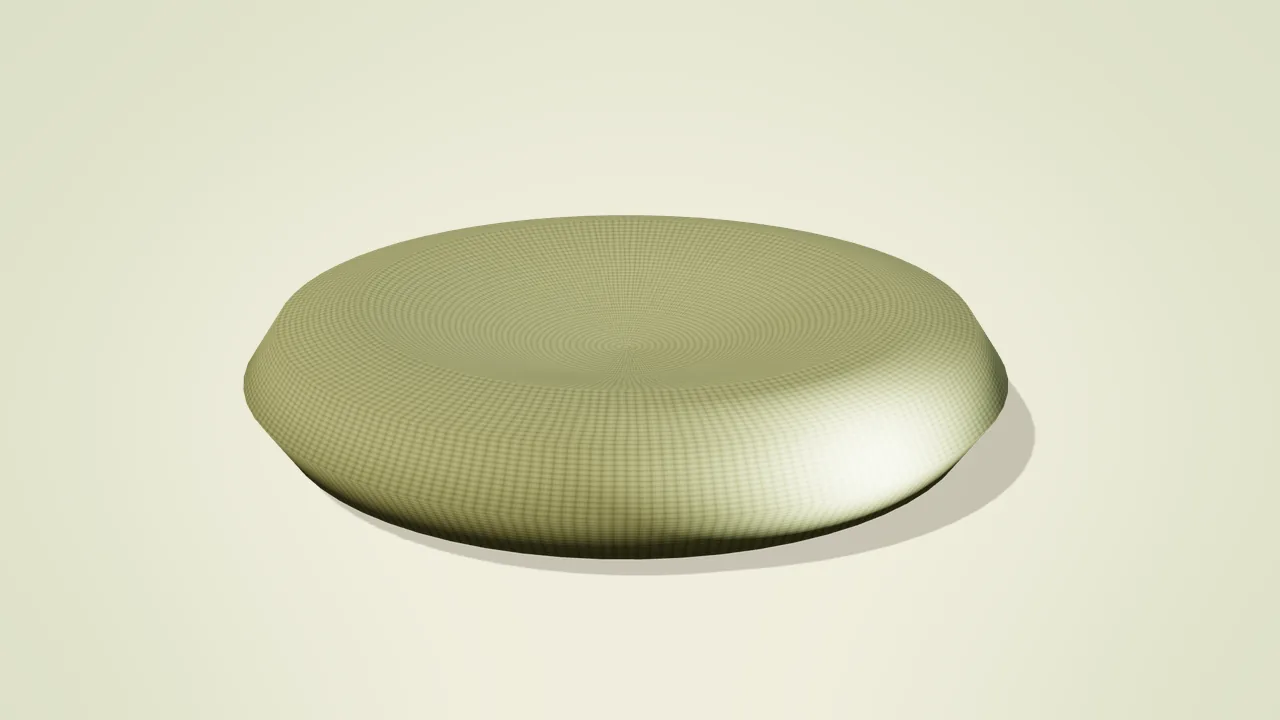
Wikipedia describes a zafu as a round cushion used mainly for seated Zen meditation, about 35 cm (14 inches) across and about 20 cm (8 inches) tall when fluffed. Raising the hips, it says, makes cross-legged sitting more stable. It is usually made from three pieces of heavy cloth, two round pieces and a long strip between them.
A zabuton, per the same page, is a rectangular floor cushion about 76 by 71 cm (30 by 28 inches) that goes under the zafu. It has a heavy cover with a side zipper for washing, and the batting sits in a natural cotton casing.
Dharma Crafts gives its own figures, which differ a little. Its Studio zafu is 15 inches across with a 5.5 inch loft. Its regular zabuton is 31 by 26 by 4 inches. Sizes vary by maker, so use the numbers on the page you are buying from.
Buckwheat or kapok
Wikipedia says zafus are filled with kapok, a fluffy plant fiber, or buckwheat hulls. Bean Products, which sells cushions, compares the two this way:
- Buckwheat: firm and molds to your body, heavier, a slight rustle, adjustable in many zafus, and it holds its shape longer.
- Kapok: softer and plusher, very light, nearly silent, usually not easily adjusted, and it slowly compresses with use.
Dharma Crafts says its buckwheat zafu conforms more readily to your shape and is somewhat softer than a traditional kapok one. It likens it to sitting on sand, since the hulls move where you want them. So sellers disagree on firmness. The fair reading is that the two feel different, and a person who cares should sit on both.
The practical edge for buckwheat is the zipper. Dharma Crafts says its zafu has a zippered muslin shell, with about 4.5 pounds of organic buckwheat hulls, so you can add or remove hulls to change the height.
The three listings we read
Studio Zabuton, $101. Eight pounds of cotton batting, tufted, with a muslin cover. Our data note says recycled cotton, while the page text we read says all-natural American grown cotton, so ask which it is. The page lists Regular at 31 by 26 by 4 inches and Jumbo at 36 by 28 by 4 inches. The Jumbo with all-natural cotton was $139 when we looked, and organic cotton fill cost more.
Studio Zafu Zabuton Set, $138. A buckwheat zafu, 15 inches across with a 5.5 inch loft, plus a zabuton. Covers are cotton duck. The set is handmade in the USA, per the page, and comes in several colors. That is $37 more than the zabuton alone, though we did not read a price for the zafu by itself.
Velvet Zafu Zabuton Set, $233. The same buckwheat zafu and zabuton construction as the Studio set, with 100% polyester velvet covers, per the page. The listing we read was copper. It costs $95 more than the Studio set, for what the pages describe as the same fill with a different cover.
The pages also differ on the Jumbo zabuton. The Studio set page lists it at 36 by 28 by 6 inches, while the Studio Zabuton page and the Velvet set page list 4 inches. We cannot tell which is right, so ask before you order a Jumbo.
Check the current prices for the list.
Sizing for sitting
Dharma Crafts recommends the Jumbo zabuton for long-legged people over 6 feet tall. Beyond that, the page gives no sizing rule. Loft is the number to compare: Dharma Crafts lists 5.5 inches, and Wikipedia describes about 8 inches when fluffed. A zafu that sits higher lifts your hips more. A buckwheat fill lets you adjust it, and a tightly packed kapok one may not adjust easily.
If you do not want a zafu at all, Dharma Crafts also sells meditation benches, and its pages mention that a zabuton goes under a bench as well.
What to check before you pay
- The size on the page. Regular or Jumbo, and the thickness.
- The fill. Buckwheat or kapok, and whether the zafu has a zipper. Ask how to add fill later.
- The cover. Cotton duck or velvet. Check how the cover cleans.
- Care. Dharma Crafts says to hang a cover to dry and not use the dryer, because cotton shrinks. It says the buckwheat and cotton batting fillings should not get wet.
- Returns. Dharma Crafts says it accepts returns within 30 days if the item is unused and in its original packaging. It says custom orders are non-returnable.
- Color. The Studio set page lists several colors. The velvet listing we read was copper.
Common ways people overpay
- Paying for velvet you do not need. The Velvet set is $95 more than the Studio set for the same fill sizes.
- Buying Jumbo by default. Dharma Crafts points Jumbo at people over 6 feet, and the Jumbo zabuton alone was $38 more than the Regular ($139 against $101), so a shorter person has less reason to pay for it.
- Buying a set when you have a mat. A zabuton you already own makes the $138 set an overbuy.
- Skipping the care notes. A wet buckwheat cushion is a problem, since Dharma Crafts says the fill should not get wet.
For hosts: floor seating for a group
If you host a gathering where people sit on the floor, price it per person. Ten Studio sets at $138 come to $1,380, computed from our data. Ten zabutons alone come to $1,010. A Regular zabuton is 31 by 26 inches, which is the floor space one person's mat takes up before you leave room to walk. Count walking room in your plan.
For the rest of a host's list, see what you need to host a sound bath, and for a first small session, your first sound bath.
What we cannot tell you yet
We have not sat on these, and we found no source that compares buckwheat and kapok in a controlled way. We have only the sellers' comparisons.
Frequently asked questions
What is the difference between a zafu and a zabuton?
Wikipedia describes a zafu as a round cushion you sit on, and a zabuton as a rectangular floor mat that goes under it. A zafu is about 14 inches across by Wikipedia's figures. A zabuton is about 30 by 28 inches.
Buckwheat or kapok?
Both are common zafu fills, per Wikipedia. One seller says buckwheat is firm, heavier, rustles slightly and is adjustable, and that kapok is softer, lighter and quieter but compresses with use. Dharma Crafts calls its buckwheat zafu somewhat softer than a traditional kapok one, so sellers disagree on firmness.
How much do cushions cost?
Three Dharma Crafts listings, seen 2026-11-20: $101 for a Studio zabuton, $138 for a Studio zafu and zabuton set, and $233 for a Velvet set. Each price was for the regular size.
Can I wash a buckwheat zafu?
Dharma Crafts says the buckwheat hull and cotton batting fillings should not get wet, and that you should hang a cover to dry and not use a dryer. Read the care notes for your exact cushion.