Getting started · 5 min read
Your first sound bath, start to finish
What happens at a first sound bath, what to bring, how long it lasts, what tickets cost and what each instrument sounds like, plus tips for new hosts.
By Singing True. Last updated 2026-11-20.
In this guide
This guide is for two readers: someone about to attend their first sound bath, and someone about to host one. It describes the room and the sound only. We make no claims about what it does for anyone's body or health, and we have not attended or interviewed anyone for this page. What we cite comes from pages we read on 2026-11-20, linked below.
What actually happens at a sound bath?
You arrive, find a spot, and lie down. A medical anthropologist writing in The Conversation describes the usual setup: lights dimmed, people lying down, and the host surrounding them with sound. Another guide, from Medical News Today, says singing bowls are the main instrument, struck on the side or rubbed around the rim.
The host may say a few words first. Then the playing begins and you listen. Nothing is asked of you beyond lying still and staying quiet.
How long does it last?
Plan on about an hour. The Conversation guide calls dedicated sound baths typically hourlong. A practitioner guide says group sessions typically run 60 to 90 minutes. Add time to arrive, settle and leave.
How much does a ticket cost?
One practitioner guide gives these figures for group sessions:
- $20 to $50 a person as typical.
- $40 to $75 a person in New York City, Los Angeles and London.
The same guide cites no survey or data, and it gives slightly different ranges in different sections, so read these as a rough guide. We have no survey of our own. Private sessions cost more, and the venue and the host both change the price.
What should I bring?
This part is common sense, not research. Bring what helps you lie still for an hour.
- A yoga mat or a thick blanket, in case none is provided.
- A small pillow or a rolled towel for under your head or knees.
- A layer, since some people cool down when they lie still.
- Water for afterward.
Some events supply some of this, so read the event page or ask the host. Turn your phone off, not just silent.
Who might want to skip it, or ask first?
Medical News Today notes that people who find intense sounds overstimulating may not enjoy a sound bath. It says people whose migraines are triggered by noise may want to avoid one. It also says people with a hearing aid may find some sounds uncomfortable, and that people with a mental health condition should talk to a doctor first. It states that a sound bath is not a substitute for medical care. You can always sit up, move to the back, or leave quietly.
What will I hear?
Here is a plain description of the usual instruments. These are general descriptions, since every instrument sounds a little different.
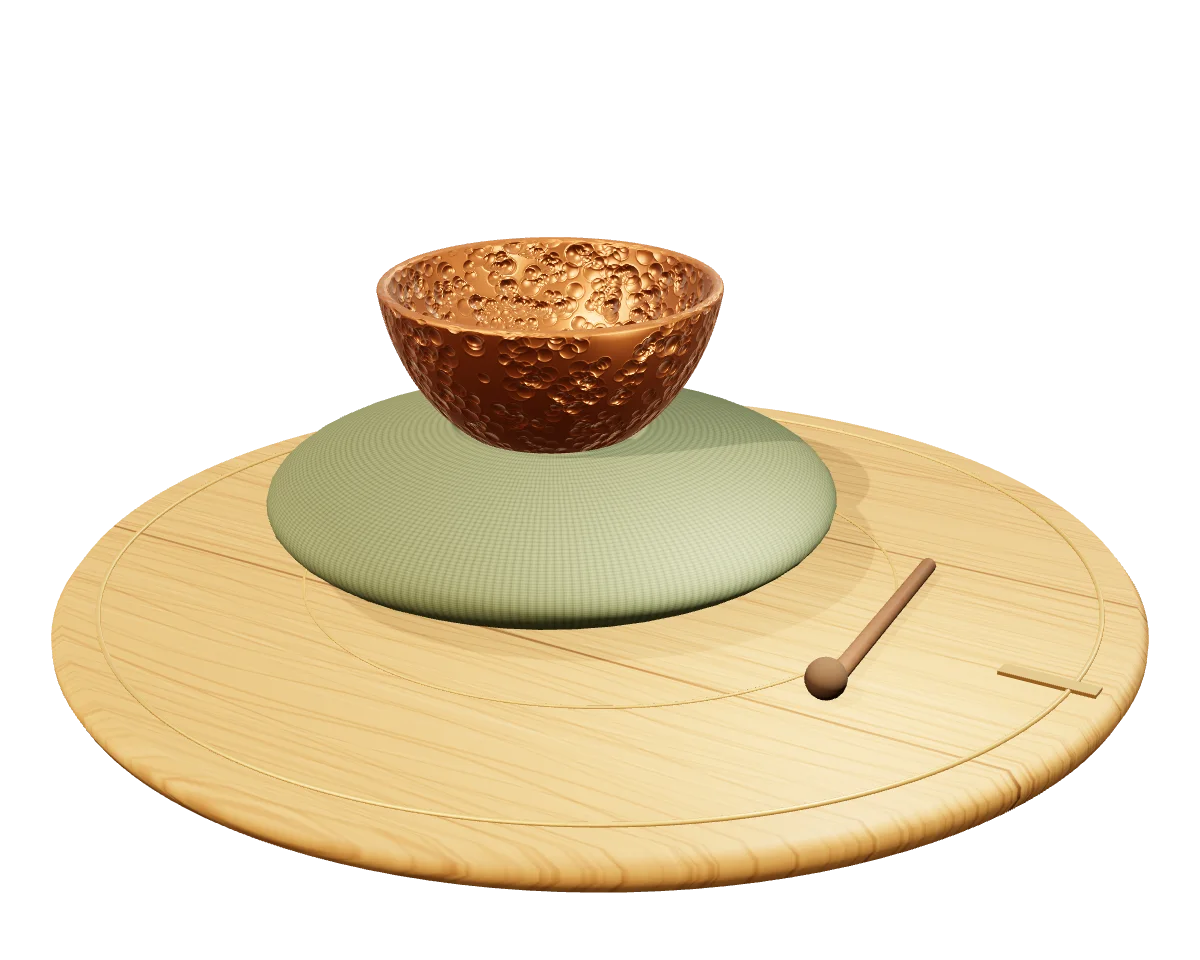
- Singing bowls, metal. A struck note that rings and slowly fades. Rubbed around the rim, the note swells and holds. See crystal versus metal bowls if you are curious about the difference.
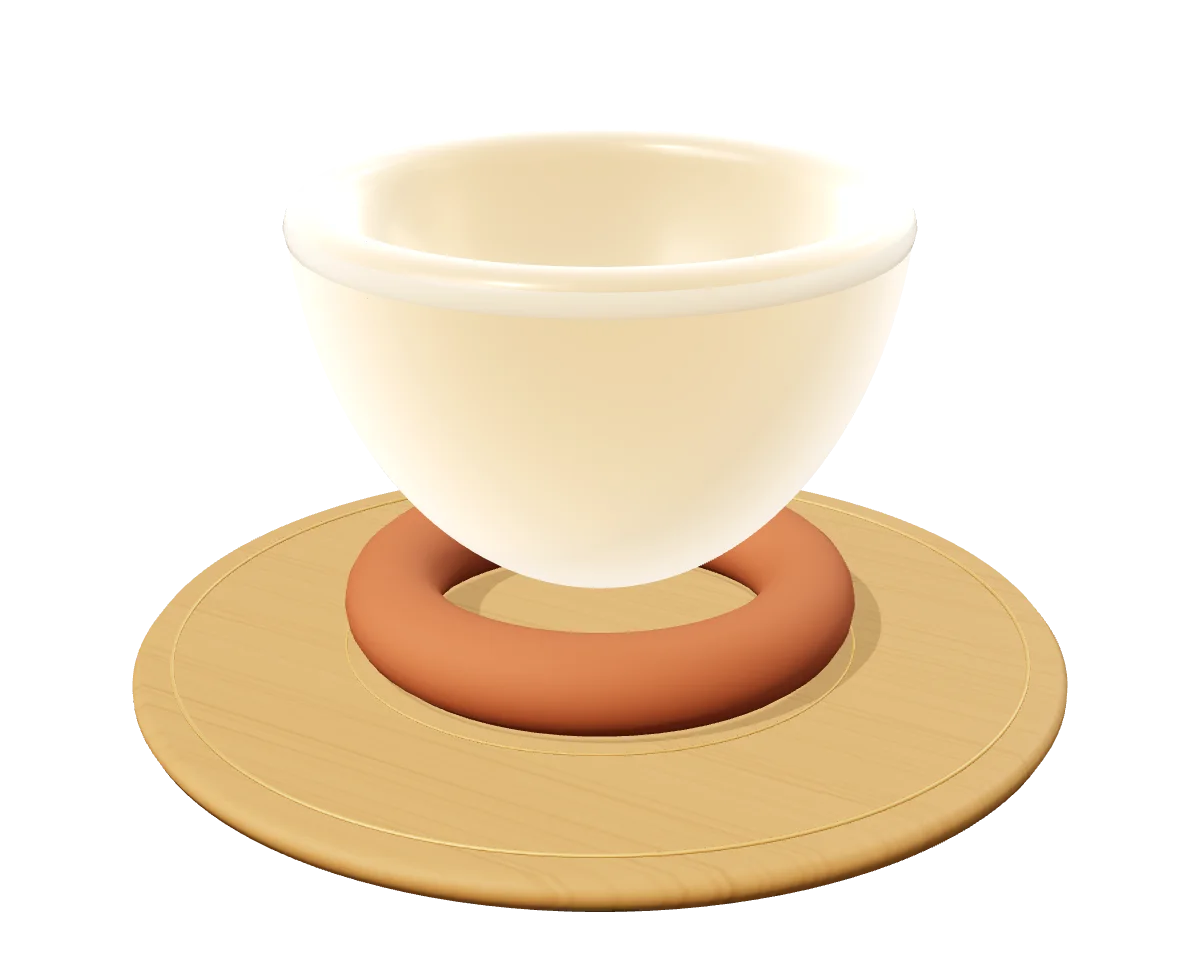
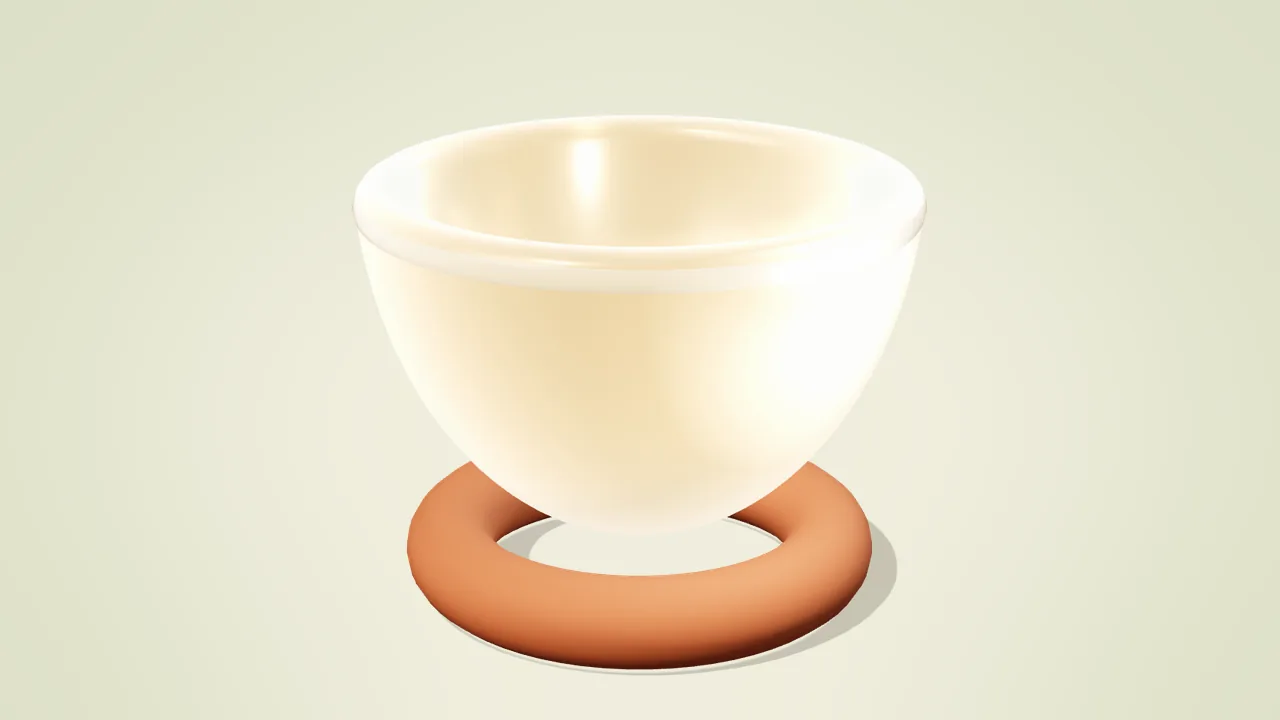
- Singing bowls, crystal. A clear, glassy note that holds for a long time. Larger bowls sound lower.
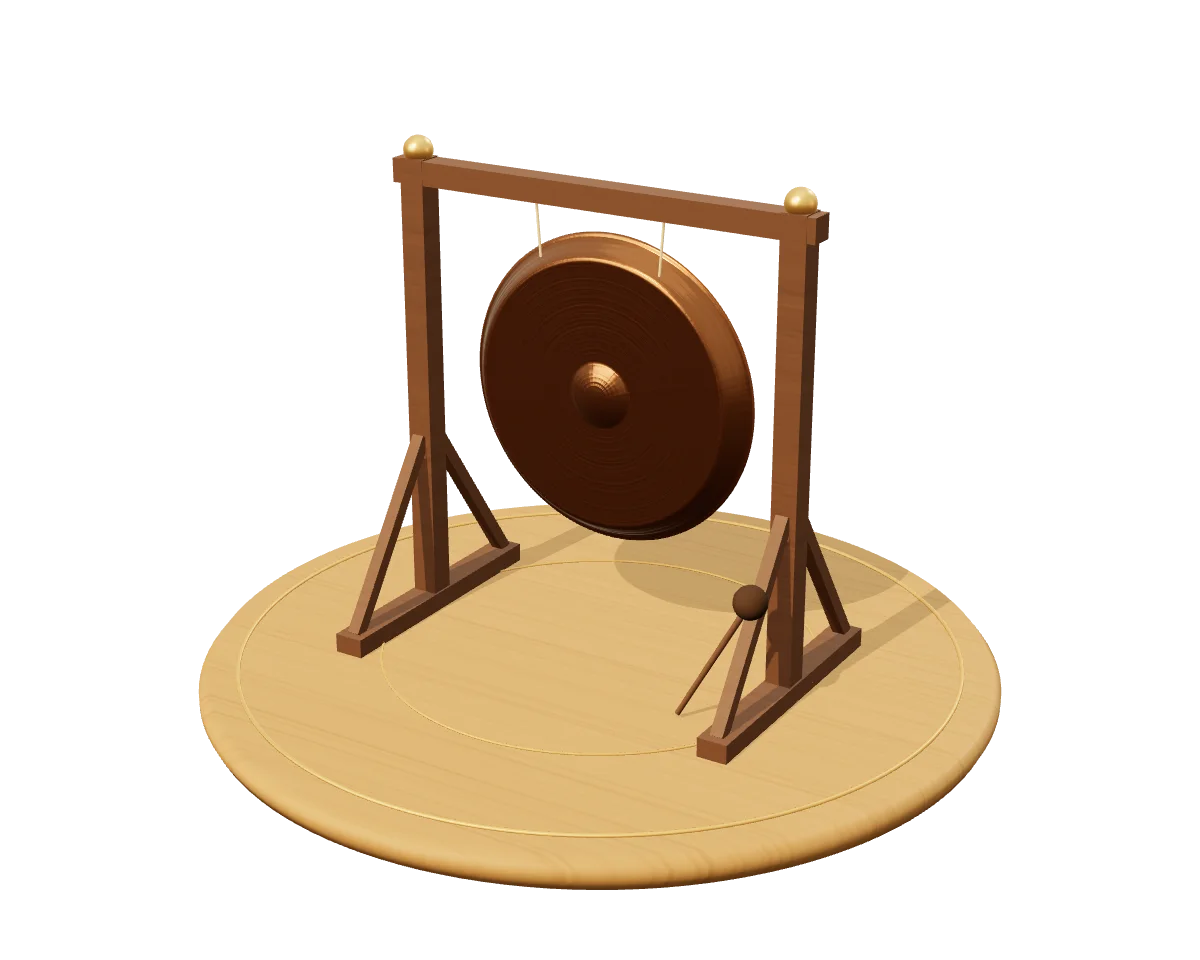
- Gongs. A low strike that builds into a wash of overlapping tones, louder or softer depending on how it is played.
- Chimes. Light, bright, glittering notes, often used to open or close.
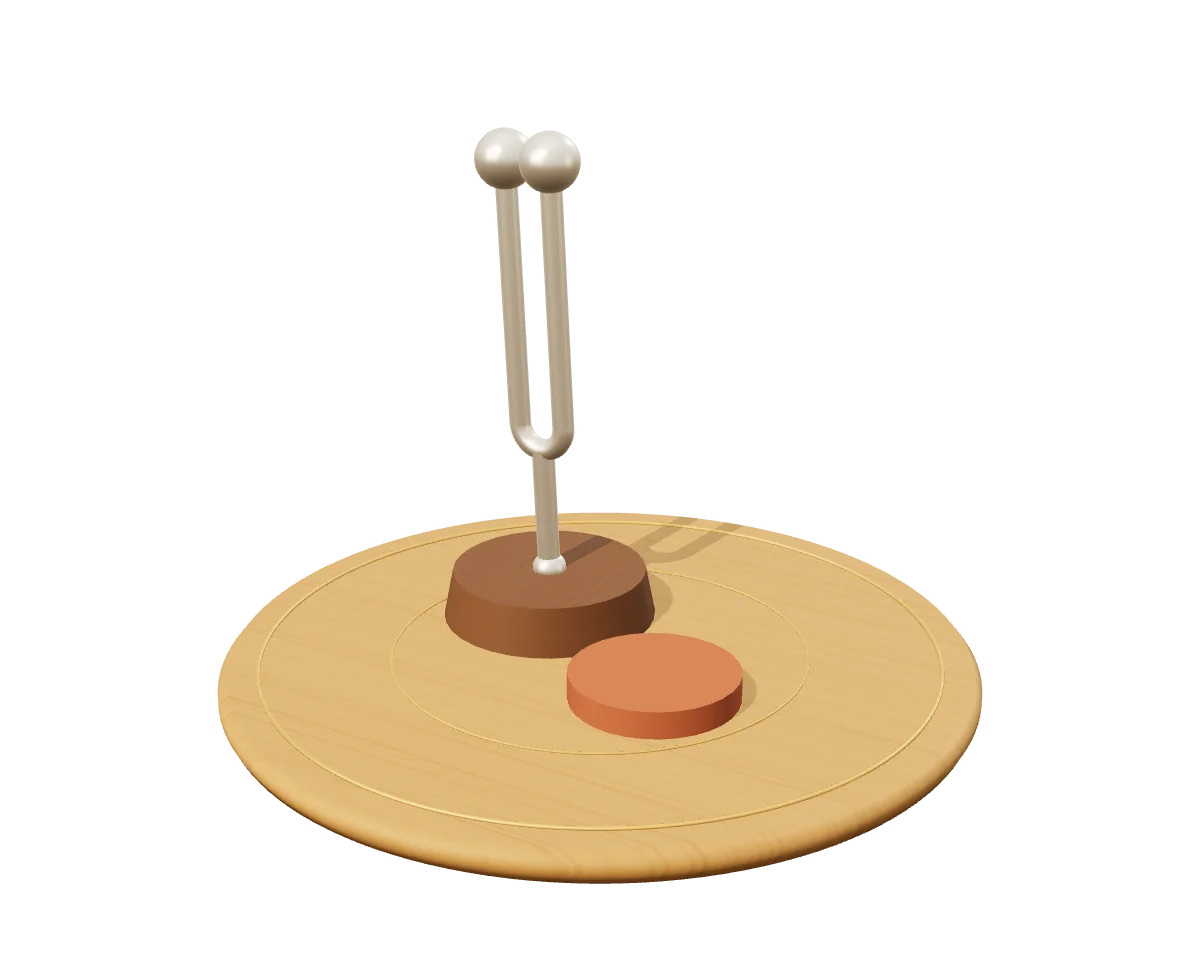
- Tuning forks. A thin, pure tone that rings for a few seconds.
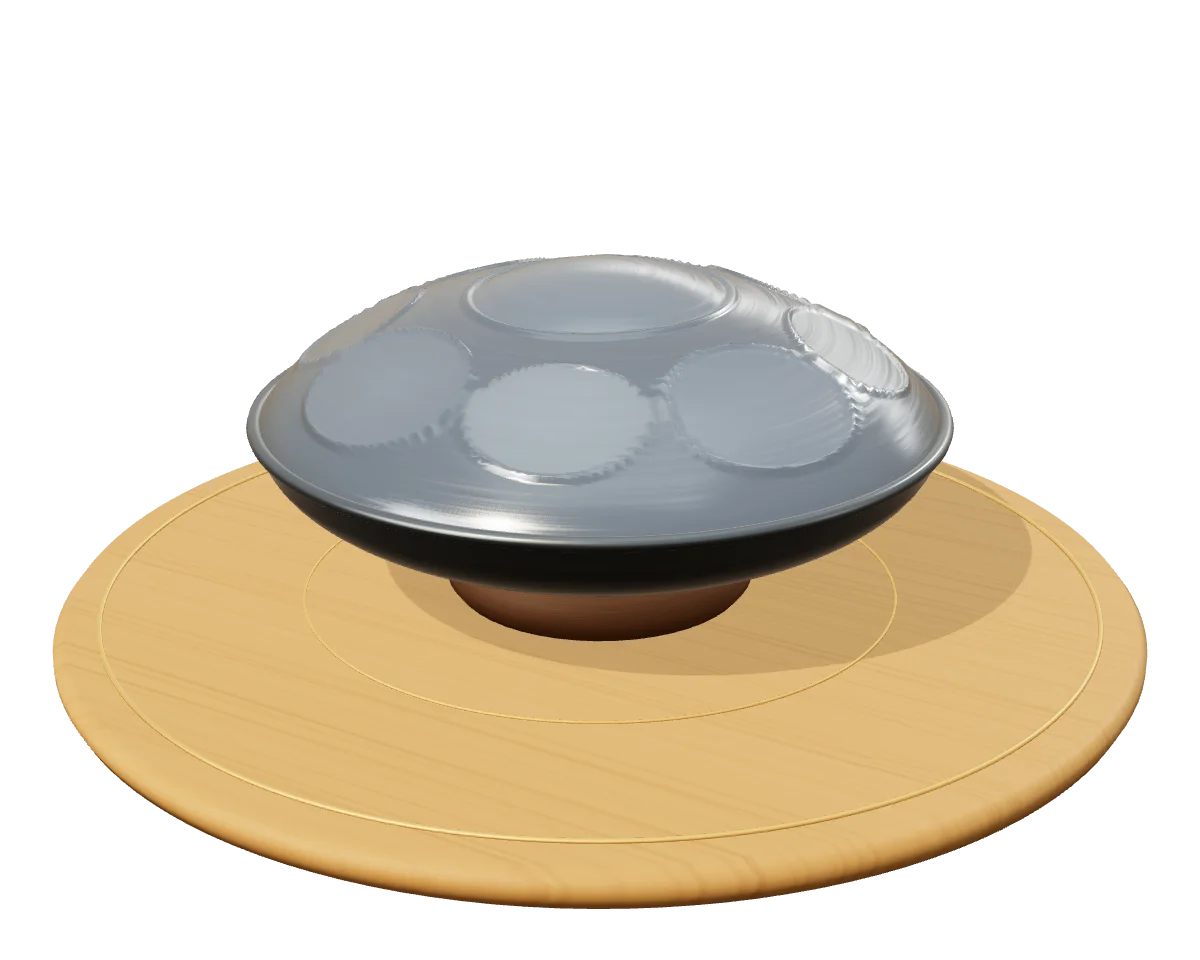
- Drums and handpans. Steady, softer rhythmic notes, used less often in a lying-down session.
What is the etiquette?
- Arrive a few minutes early. Late arrivals disturb the room once it is quiet.
- Keep your phone off.
- Stay quiet, and keep still once the sound starts. If you need to leave, go slowly.
- Skip strong perfume, since the room is shared.
- Ask before you touch any instrument.
Hosting your first one: where do you start?
You do not need a license in the US to host a sound bath, as far as we found, but a few rules still apply. Read do you need a certificate to teach sound baths before you charge anyone. It covers what is and is not regulated, and insurance.
The room. The Conversation guide suggests a space where people can let their guard down: a door that closes, warm blankets and cushioning, and a calm setting. It says outdoor sessions and noisy fitness centers can be distracting. Set up mats with enough space between them that nobody is touching.
The order. There is no rule. One simple plan, and it is only our suggestion:
- A short welcome, with the length of the session and a note that people can leave quietly.
- Soft chimes or a single bowl to settle the room.
- Bowls, one at a time, with silence between notes.
- A gong, if you have one, held for the middle of the session and built up slowly.
- Quieter bowls or chimes to close, then a long pause before the lights come up.
The pacing. The Conversation guide warns that less experienced hosts may play too loudly, make abrupt changes between sounds, or forget to pause. So play softer than you think you need, change instruments slowly, and let the silence do its work.
A simple starter set. You can run a first session with one bowl and one set of chimes.
- A hand-hammered metal bowl is the lower-risk choice for carrying. Before you buy, read how to spot a cheap factory bowl.
- A set of Koshi chimes for opening and closing.
- Later, a crystal bowl or a 28 inch gong. The 10 inch crystal bowl we list was $199.90 at Guitar Center on 2026-11-20.
Most of all, do a practice run for a friend before you invite strangers, and time it.
Where to go from here
If you want to host for the public, read the guide on certificates and insurance first. If you are attending, pick a host whose event page tells you the length, what to bring, and what the session will not promise.
To buy for a room, see what you need to host a sound bath, the first sound bath kit on a budget and the meditation cushion buying guide.
Frequently asked questions
How long does a sound bath last?
One guide from a medical anthropologist describes group sound baths as typically hourlong, and a practitioner guide says group sessions usually run 60 to 90 minutes. Check the event page for the exact time.
How much does a sound bath ticket cost?
One practitioner guide that cites no data gives $20 to $50 a person as typical, and $40 to $75 in New York, Los Angeles and London. Treat it as a rough guide, not a survey.
What should I bring to a sound bath?
Bring whatever helps you lie still on a floor: a mat or blanket, a small pillow, and layers. Some hosts supply these, so read the event page or ask the host.
Do I need any experience to attend?
No. You lie down and listen. Nothing is asked of you except to stay quiet and respect the room.